
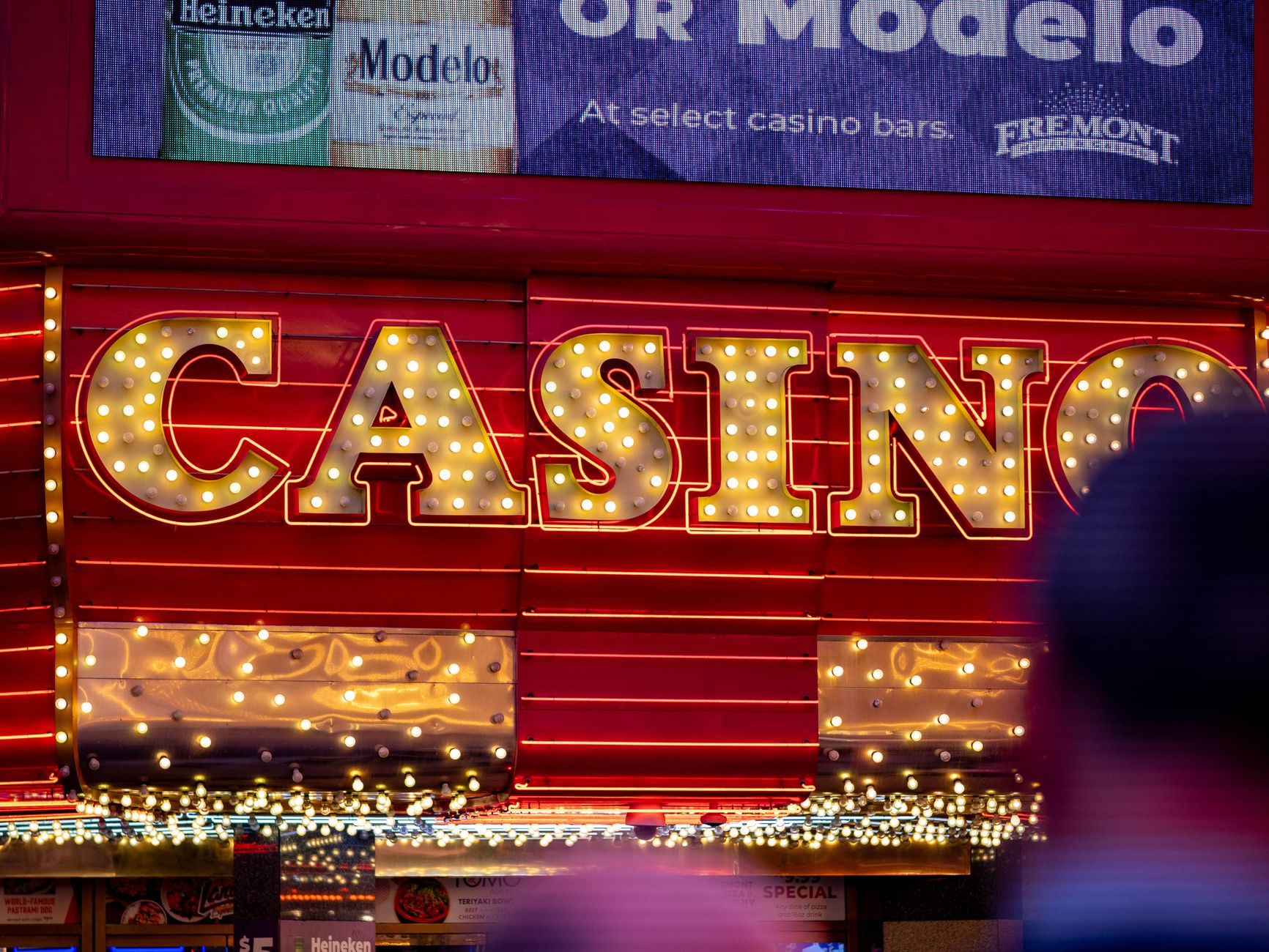
unlicensed gambling advertising has become a hot topic as consultations are launched to potentially ban such practices. This move aims to enhance regulation and protect consumers in the gambling industry.
Understanding the Current Advertising Landscape
The advertising landscape for gambling has undergone significant changes in recent years, sparking debates about regulation and ethical practices. As the popularity of online gambling continues to rise, so does the presence of unlicensed gambling advertising, which poses a challenge for both regulators and responsible operators.
Currently, many companies exploit loopholes in existing regulations, allowing them to promote their services without necessary licensing. This situation not only undermines the efforts of licensed operators but also puts consumers at risk. Unlicensed advertisements often lack transparency and may target vulnerable individuals, leading to potential gambling addiction and financial issues.
In response to these concerns, authorities have initiated consultations to explore the possibility of banning unlicensed gambling sponsorship and advertising altogether. The goal is to create a safer environment for consumers and ensure that only reputable operators can advertise their services. Key stakeholders are being invited to share their insights and experiences regarding the impact of unlicensed gambling advertising on the market.
As discussions unfold, it is crucial for all parties involved to consider the implications of their decisions on public health and the integrity of the gambling industry.
Impacts of Unlicensed Gambling Advertising
The rise of unlicensed gambling advertising has significant implications for both consumers and the industry. As more companies engage in these practices, the potential for harm increases, particularly among vulnerable populations.
One of the primary impacts of unlicensed gambling advertising is the risk of increased problem gambling. Without proper regulation, these advertisements often target individuals who may be more susceptible to developing gambling addictions. This can lead to devastating financial and emotional consequences for families and communities.
Additionally, the lack of oversight associated with unlicensed gambling advertising poses challenges for responsible gambling initiatives. Consumers may be misled or uninformed about the risks involved, which can undermine efforts to promote safer gambling practices.
Furthermore, the legal ramifications for companies engaging in unlicensed advertising can be severe, resulting in hefty fines and damage to reputation. The potential for fraud and exploitation in an unregulated environment can also lead to a loss of consumer trust in the overall gambling industry.
In light of these challenges, many stakeholders are advocating for stricter regulations and a ban on unlicensed gambling advertising. It is essential to establish a framework that prioritizes consumer safety and ethical marketing practices.
Consultation Details and Timeline
The recent consultation regarding unlicensed gambling advertising aims to gather insights from various stakeholders before implementing regulatory measures. The consultation process is structured to ensure comprehensive feedback, fostering a collaborative approach to address the challenges posed by unlicensed gambling sponsorship and advertising.
The key details of the consultation are as follows:
- Start Date: The consultation officially commenced on October 1, 2023.
- Duration: Stakeholders have until November 15, 2023 to submit their responses.
- Target Audience: This includes industry experts, gambling regulators, consumer protection groups, and the general public.
- Objectives: The primary goal is to assess the extent of unlicensed gambling advertising and its implications for public welfare.
Following the consultation period, the results will be analyzed and documented. A report summarizing the findings and recommendations is expected to be published by January 2024. This timeline is crucial, as it sets the stage for potential legislative changes aimed at curbing unlicensed gambling advertising and promoting safer gaming practices.
Stakeholder Reactions and Opinions
Stakeholders from various sectors have voiced their opinions on the pressing issue of unlicensed gambling advertising. Many industry experts argue that the rise of unregulated promotions poses significant risks not only to consumers but also to the integrity of the gambling industry itself.
Supporters of a ban on unlicensed gambling advertising emphasize the need for a safer environment for consumers, particularly vulnerable groups. James R. Smith, a leading advocate for responsible gambling, stated, “The prevalence of these ads can mislead individuals into risky betting behaviors, and regulation is crucial to protect them.”
On the other hand, some businesses involved in gambling-related marketing express concerns over the potential financial impact of such regulations. Lisa Chen, a marketing executive, commented, “While we acknowledge the need for responsible advertising, a complete ban could stifle innovation and limit economic opportunities within the sector.”
Consumer advocacy groups have been particularly vocal, calling for transparency and ethical standards in advertising practices. They argue that unlicensed gambling advertising undermines efforts to promote responsible gambling habits. “We must ensure that advertising reflects the realities of gambling risks,” said Mark Johnson from the Consumer Protection Coalition.
The ongoing consultation aims to gather a diverse range of perspectives to inform future regulatory measures.
Potential Outcomes of the Ban
The potential outcomes of the ban on unlicensed gambling advertising could significantly reshape the gambling landscape. As regulators aim to tighten control over advertising practices, several key effects may emerge.
- Increased Compliance: Operators may become more vigilant in adhering to licensing requirements, leading to a more transparent and regulated market.
- Enhanced Consumer Protection: By limiting exposure to unlicensed platforms, consumers could be better safeguarded from fraudulent activities and potential financial losses.
- Shifts in Advertising Strategies: Licensed operators may need to adapt their marketing approaches, focusing on responsible gambling messages to align with regulatory expectations.
- Impact on Revenues: The ban could lead to decreased revenue for unlicensed operators, potentially driving some out of the market, while licensed entities may experience a surge in their market share.
- Global Implications: As other jurisdictions observe the outcomes of this ban, it may inspire similar regulatory measures worldwide, influencing the global gambling advertising landscape.
While the intention behind the ban is to mitigate risks associated with unlicensed gambling advertising, the effectiveness of such measures will depend on enforcement and the adaptability of the industry.
International Perspectives on Gambling Ads
As countries around the globe grapple with the complexities of gambling advertising, the issue of unlicensed gambling advertising has emerged as a focal point in regulatory discussions. Different jurisdictions have adopted varied approaches, reflecting their unique cultural attitudes and legal frameworks.
In the United Kingdom, for instance, the Advertising Standards Authority has implemented strict guidelines that prohibit misleading advertisements. This has helped to curb the influence of unlicensed gambling advertising, ensuring that only licensed operators can promote their services. Regulatory bodies emphasize the protection of vulnerable populations, particularly minors, from exposure to gambling-related content.
Conversely, in some European countries, such as Sweden, the market is highly regulated, and only licensed operators can advertise. This has led to a more controlled advertising environment, reducing the prevalence of unlicensed promotions. Meanwhile, in jurisdictions with looser regulations, such as certain U.S. states, the surge of online gambling has seen a rise in unlicensed gambling advertising, prompting calls for tighter controls.
As the global landscape continues to evolve, the need for a cohesive strategy to tackle unlicensed gambling advertising becomes increasingly critical. Stakeholders across various sectors are advocating for measures that ensure responsible advertising practices while promoting fair competition among licensed operators.
Future of Gambling Sponsorships
The future of gambling sponsorships is poised for significant change as regulators turn their attention to unlicensed gambling advertising. With increasing scrutiny on the ethical implications of such promotions, stakeholders are grappling with how to balance business interests with responsible gambling practices.
As authorities consider a ban on unlicensed gambling advertising, many organizations are reevaluating their current sponsorship strategies. The potential restrictions could shift the landscape, leading to a decrease in funding for various sports and entertainment events that rely on these partnerships.
- Increased Compliance Requirements: Companies may need to adapt their advertising strategies to align with stricter regulations.
- Emphasis on Responsible Gaming: Future sponsorships may focus more on promoting responsible gambling messages.
- Innovation in Advertising: Brands might explore alternative, compliant ways to engage audiences without relying on unlicensed avenues.
Furthermore, as international perspectives evolve, local markets will likely follow suit, impacting how gambling brands approach sponsorships. The shift towards regulation aims to protect consumers while seeking to establish a fair playing field. The changes ahead will undoubtedly shape the future of gambling sponsorships, as the industry adapts to the new regulatory climate.
Photo by Joshua Santos on Pexels

