Rwanda F1 heritage will bring a new chapter to Africa’s motorsport narrative, showcasing the continent’s potential in Formula 1. This initiative aims to celebrate and enhance the region’s racing legacy.
The Significance of Rwanda in F1
The significance of Rwanda in F1 extends beyond its geographical location; it represents a burgeoning chapter in Africa’s rich motorsport history. As the nation embraces the Rwanda F1 heritage, it aims to cultivate a culture of racing that reflects both innovation and passion.
Rwanda has already made notable strides towards establishing itself as a significant player in the motorsport arena. Key factors contributing to this development include:
- Government Support: The Rwandan government is investing in infrastructure and programs to foster interest in motorsports.
- Community Engagement: Local initiatives encourage youth participation in racing, nurturing talent from a young age.
- International Partnerships: Collaborations with established racing organizations aim to bring expertise and experience to the region.
- Promotional Events: Hosting events that highlight both local and international drivers attracts global attention to Rwanda’s racing potential.
As Rwanda continues to build on its motorsport initiatives, it is set to become a crucial hub for racing enthusiasts. The revival of the Rwanda F1 heritage not only promises to elevate the country’s profile but also enrich the continent’s overall racing narrative.
Historical Context of F1 in Africa
The historical context of Formula 1 in Africa reveals a rich tapestry of motorsport culture that has often been overlooked. While several African nations have hosted races, Rwanda’s unique position offers a fresh perspective on the continent’s F1 heritage. The last official F1 race in Africa took place in 1993 at the Kyalami circuit in South Africa, leaving a significant gap in the continent’s representation in this prestigious sport.
In recent years, there has been a growing interest in reviving racing in Africa, with Rwanda emerging as a beacon of hope. The country’s commitment to developing motorsport infrastructure and fostering local talent is commendable. Some key factors contributing to the revival of F1 in Africa include:
- Government Support: The Rwandan government is prioritizing sports as a means of economic development.
- Investment in Infrastructure: New racetracks and facilities are being built to accommodate international standards.
- Local Engagement: Initiatives are being launched to engage and educate the local populace about motorsport.
As Rwanda navigates its journey to establish a strong F1 heritage, the harmonious blend of tradition and innovation may potentially lead to a renaissance of motorsport in Africa.
Future Prospects for F1 in Rwanda
The future of Formula 1 in Rwanda looks promising as the nation aims to embrace its F1 heritage and foster a new generation of motorsport enthusiasts. Several factors contribute to this optimistic outlook:
- Investment in Infrastructure: The Rwandan government is actively investing in state-of-the-art racing facilities, which will not only host local events but also attract international competitions.
- Grassroots Programs: Initiatives aimed at introducing motorsport to schools and youth organizations are essential to nurture talent and interest from a young age.
- Partnerships with F1 Teams: Collaborations with established Formula 1 teams can provide invaluable expertise and resources, helping to elevate local racing standards.
- Promotion of Local Events: Organizing local races and motorsport festivals will help boost public interest and involvement, creating a vibrant racing culture.
- Tourism Potential: Highlighting Rwanda’s natural beauty alongside its F1 heritage can attract tourists and motorsport fans from around the globe, providing an economic boost.
By leveraging its unique position within the continent, Rwanda is set to revive and contribute significantly to the rich F1 heritage of Africa, creating a sustainable future for motorsport in the region.
Challenges Facing F1 Development
As Rwanda aims to enhance its F1 heritage, several challenges must be addressed to ensure sustainable development in motorsport. These obstacles can impede the growth of racing in the region and must be acknowledged for effective strategies to be implemented.
- Infrastructure Development: The current state of roads and racetracks in Rwanda poses a challenge. Significant investment is needed to upgrade existing facilities and create new ones that meet international standards.
- Financial Investment: Securing funding for F1 initiatives is crucial. The government and private investors must recognize the potential economic benefits of developing a robust motorsport culture.
- Technical Expertise: There is a shortage of skilled professionals in motorsport engineering and management. Training programs and partnerships with established teams could help build local expertise.
- Cultural Acceptance: Motorsports are not yet widely embraced in Rwanda. Promoting the sport through education and community engagement is essential to foster interest and participation.
- Regulatory Challenges: Navigating bureaucracy and establishing clear regulatory frameworks will be vital for the development of F1 events and teams.
Addressing these challenges is necessary for Rwanda to fully realize its potential in the global F1 heritage.
Community Engagement in Motorsport
Community engagement is vital for the revival of motorsport in Rwanda, particularly when considering the nation’s F1 heritage. To foster a deeper connection with the sport, several initiatives can be implemented.
- Local Racing Events: Organizing local racing competitions can ignite interest and participation among young enthusiasts, providing a platform for aspiring drivers.
- Youth Programs: Establishing motorsport academies will help cultivate talent from an early age, creating pathways for youth to engage with racing.
- Partnerships with Schools: Collaboration with educational institutions can introduce motorsport-related curricula, emphasizing engineering and technology linked to racing.
- Sponsorship Opportunities: Encouraging local businesses to sponsor events can enhance community involvement and investment in motorsport culture.
- Awareness Campaigns: Conducting campaigns to educate the public about the importance of F1 and its potential impact on the economy can generate excitement and support.
By actively engaging the community in these ways, Rwanda can not only honor its F1 heritage but also pave the way for a vibrant motorsport future that encompasses all layers of society.
Technological Innovations in Racing
The evolution of racing technology is pivotal in rejuvenating the Rwanda F1 heritage. As the motorsport world continues to advance, Rwanda stands at the crossroads of innovation and tradition. Various technological innovations can play a crucial role in enhancing the racing experience and infrastructure.
- Electric Vehicles (EVs): The rise of electric racing is not only environmentally friendly but also aligns with global trends. Rwanda can leverage this shift by investing in EV technology, promoting sustainable practices in motorsport.
- Data Analytics: Utilizing data analytics can improve performance on the track. By analyzing data from races and training sessions, teams can make informed decisions to enhance their strategies.
- Simulation Technology: Advanced simulation tools can help drivers train effectively, allowing them to familiarize themselves with tracks and improve their skills without the risks associated with live racing.
- Safety Innovations: Implementing the latest safety technologies can ensure that both drivers and spectators are protected, thus fostering a more secure environment for racing events.
By embracing these innovations, Rwanda can not only enhance its own motorsport capabilities but also contribute significantly to the broader narrative of F1’s rich heritage across Africa.
Conclusion: The Road Ahead for Rwanda F1
As Rwanda looks toward the future of motorsport, the revival of its F1 heritage stands as a testament to the nation’s ambition and resilience. The journey ahead is filled with both challenges and opportunities that require strategic planning and community involvement.
To ensure the successful integration of racing into Rwanda’s cultural landscape, several key steps must be taken:
- Investment in Infrastructure: Upgrading existing tracks and building new facilities will be crucial to attract international events.
- Fostering Local Talent: Establishing programs for young drivers and engineers can cultivate homegrown expertise in motorsport.
- Partnerships with Global Brands: Collaborating with established F1 teams and sponsors can bring valuable resources and visibility.
- Engagement with Communities: Involving local communities in motorsport initiatives will create a sense of ownership and pride in Rwanda’s F1 heritage.
- Promotion of Sustainability: Emphasizing eco-friendly technologies in racing can align with Rwanda’s commitment to environmental conservation.
By taking these proactive measures, Rwanda can not only revive its F1 heritage but also position itself as a leader in motorsport development across Africa, inspiring a new generation of fans and competitors.
Reviving the Rwanda F1 heritage requires a strategic approach that includes investing in local talent and infrastructure. By focusing on grassroots initiatives, we can ensure that the Rwanda F1 heritage thrives for future generations.
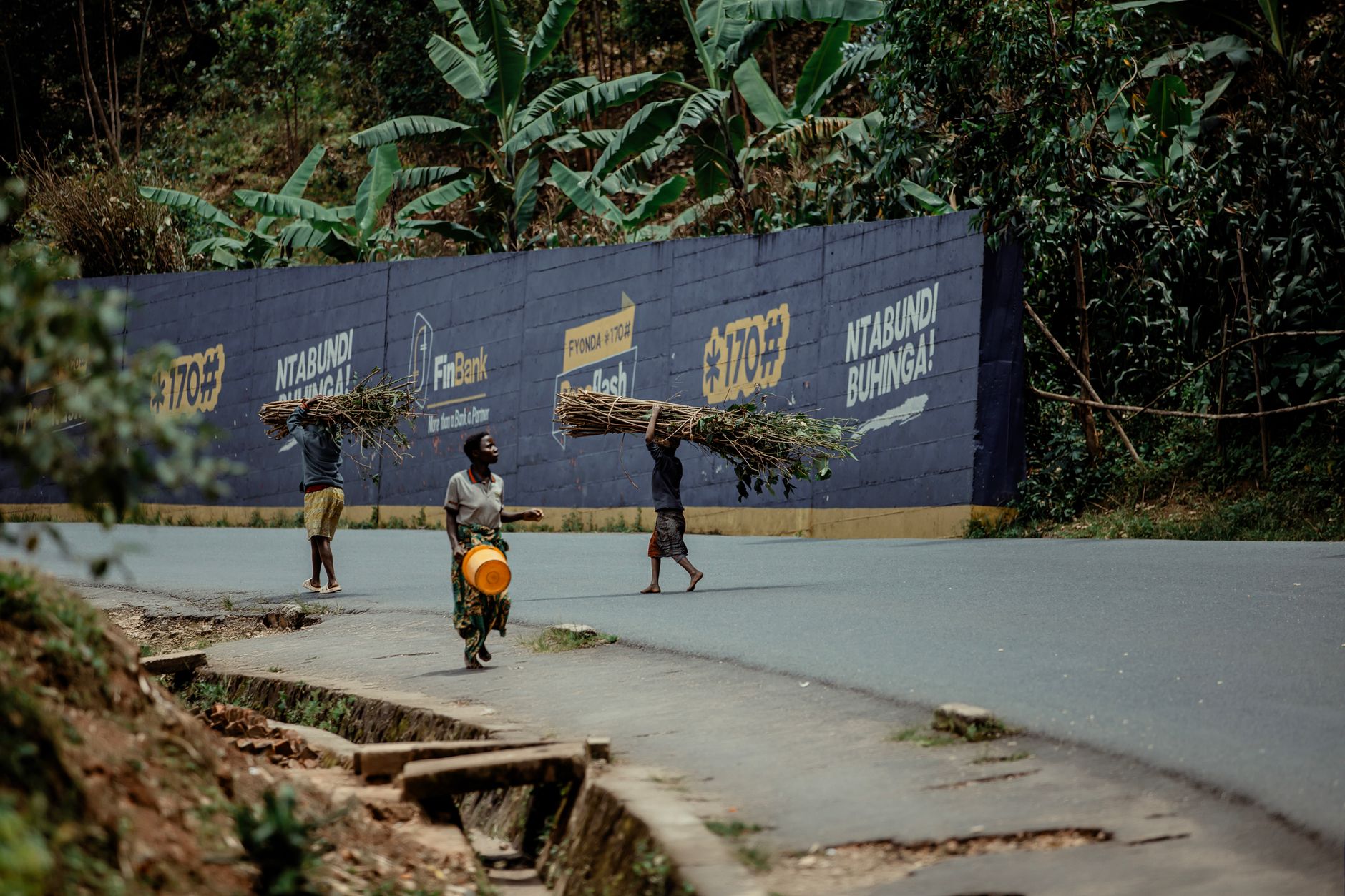
Photo by Chris wade NTEZICIMPA on Pexels