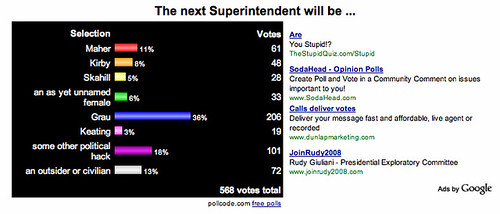
prediction markets are facing increasing scrutiny as opponents take aim at their legitimacy. This ongoing debate highlights the complexities of gambling regulations and the future of these innovative betting platforms.
Understanding Prediction Markets
Prediction markets have emerged as a unique form of betting that allows individuals to place wagers on the outcomes of various events. Unlike traditional gambling, which often relies on chance, prediction markets harness collective intelligence to forecast results, making them a fascinating yet controversial topic.
These markets operate on the principle that participants can trade shares in the outcomes of events, such as elections or sports games, with prices fluctuating based on the perceived probability of each outcome. This mechanism has drawn interest from both enthusiasts and critics.
- Supporters argue that prediction markets provide valuable insights and can serve as effective tools for decision-making.
- Opponents contend that these markets blur the lines between gambling and investment, potentially encouraging irresponsible betting behavior.
- Experts caution that, while they may appear to be a rational approach to gambling, the ethical implications and risks involved cannot be overlooked.
As discussions continue, it remains to be seen whether prediction markets will find a stable place in the broader landscape of gambling and investment.
The Wrong Side of Gambling
As the debate surrounding gambling continues, prediction markets are increasingly viewed as a troubling facet of this controversial industry. Critics argue that these markets, which allow individuals to bet on the outcomes of events, blur the lines between informed speculation and outright gambling.
Many believe this approach poses significant risks:
- Encouragement of gambling behavior: By framing predictions as a market activity, individuals may be more inclined to treat gambling as a legitimate investment rather than a game of chance.
- Lack of regulation: Unlike traditional gambling, prediction markets often operate in a grey area of the law, making it difficult to ensure fairness and protect participants.
- Potential for misinformation: The very nature of these markets can incentivize the spread of false information, as participants may push narratives to influence outcomes.
In this context, many opponents argue that prediction markets represent the wrong approach to gambling, undermining efforts to create a responsible gaming environment.
Opponents’ Arguments Against Prediction Markets
Opponents of prediction markets argue that these platforms represent a troubling evolution in gambling practices. Critics contend that they blur the lines between informed speculation and outright betting, which can lead to harmful societal consequences. Key arguments against prediction markets include:
- Unregulated Environment: Many fear that prediction markets operate in a legal gray area, lacking sufficient oversight to protect consumers and ensure fairness.
- Encouragement of Risky Behavior: Detractors believe that prediction markets may inadvertently promote gambling addiction, as they create an environment where individuals can wager on various outcomes, sometimes with devastating financial results.
- Impact on Real-World Events: There is a concern that allowing individuals to bet on events, such as elections or natural disasters, could influence those events, leading to ethical dilemmas and unintended consequences.
- Misleading Information: Opponents argue that the information generated in prediction markets may not always be reliable, potentially misleading investors and contributing to poor decision-making.
Future of Gambling Regulations
The future of gambling regulations is a topic of significant debate, particularly with the rise of prediction markets. As more states consider legalizing various forms of gambling, the implications of these markets cannot be overlooked. Supporters argue that prediction markets offer a transparent and innovative way for individuals to engage in betting, while opponents warn of potential risks associated with their unregulated nature.
Many regulators are concerned that prediction markets could exacerbate gambling addiction and lead to an increase in underage betting. As these markets gain popularity, it is crucial for lawmakers to address these issues proactively.
Key points for regulators to consider include:
- Consumer protection: Ensuring that participants are adequately informed about the risks involved.
- Age restrictions: Implementing measures to prevent underage individuals from participating.
- Market integrity: Establishing frameworks to prevent fraud and manipulation.
Ultimately, how prediction markets are regulated will shape the future landscape of gambling in the coming years.
By danxoneil via Openverse